

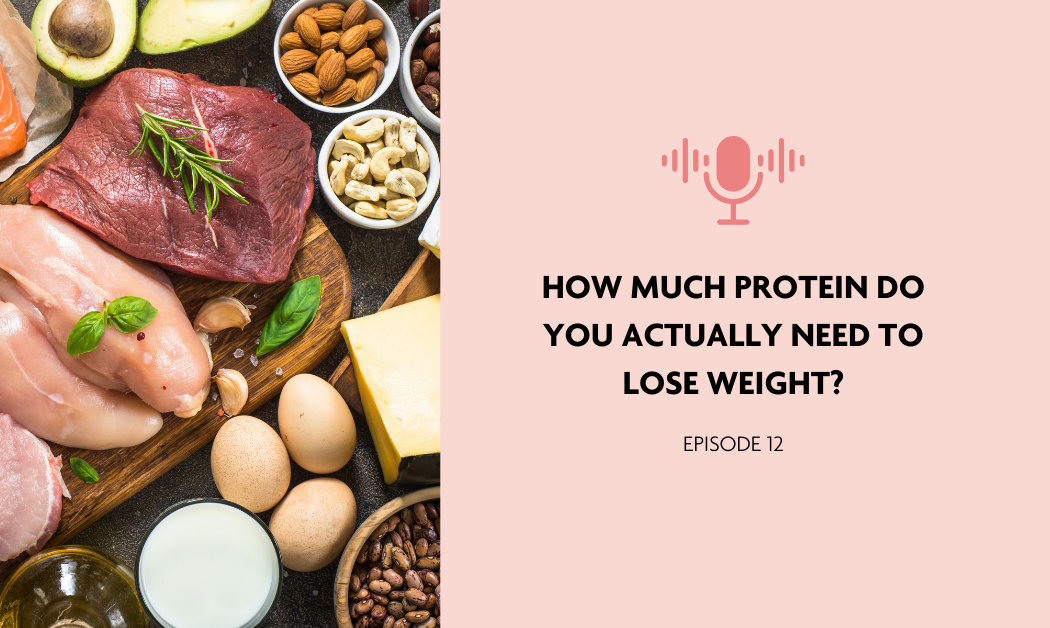
Protein is having a major moment right now, and for good reason. It’s one of the most powerful tools for weight loss, energy, and feeling satisfied after meals. Here’s everything you need to know: what protein actually is, why it matters so much for weight loss, how much you really need, and easy ways to get it in when you’re short on time.
What Is Protein?
Protein is one of three macronutrients — along with carbohydrates and fat — that give your body energy. But while carbs are the body’s preferred fuel source, protein is more of a building block. It helps build and repair muscles, bones, skin, and hair. It’s the foundation of your enzymes, regulates your hormones, and even helps transport nutrients through your bloodstream.
Protein is made up of amino acids. When 2-50 amino acids are linked together, it’s called a peptide. When 50 or more amino acids are linked together, you get a protein.
How Protein Supports Weight Loss
Protein supports weight loss in four key ways:
- It builds muscle, which boosts your metabolism. The more muscle you have, the more calories you burn at rest. Eating enough protein helps build and preserve that muscle.
- It burns more calories during digestion. Your body actually burns calories processing the food you eat — this is called the thermic effect of food. Your body burns twice as many calories digesting protein compared to carbs and fat.
- It keeps you full. Protein is digested slowly and triggers the release of fullness hormones like GLP-1 and peptide YY. That’s why it’s hard to overeat chicken — protein is genuinely, physiologically satisfying in a way that carbs alone just aren’t.
- It balances your blood sugar. When you eat carbs without protein, your blood sugar spikes and crashes — triggering cravings and energy dips. Adding protein slows that rise, prevents the crash, and stops the cycle of sugar cravings later in the day. One of the first things I work on with clients is increasing their protein at breakfast. Within two to three weeks of making this change, they consistently report more energy and fewer afternoon and evening cravings.
How Much Protein Do You Actually Need?
Here’s where it gets a little complicated — because the numbers floating around online don’t all tell the same story.
The Recommended Dietary Allowance (RDA) has long been 0.8 grams of protein per kilogram of body weight. For a 150-pound woman, that’s about 60 grams per day. But here’s the thing – the RDA is the amount considered to be sufficient or to prevent deficiency, not the optimal amount for losing fat and building muscle.
Emerging research tells a different story. If your goal is weight loss, fat loss, and muscle preservation — especially as you age — a higher intake of 1.2 to 1.6 grams per kilogram of body weight (or about 0.54 to 0.73 grams per pound) leads to better outcomes, including easier weight loss maintenance.
For most of my clients, that works out to roughly 90 to 120 grams of protein per day. If your calculation comes out higher than 130–140 grams, use your goal weight rather than your current weight to calculate your specific protein needs.
You don’t need to track obsessively to hit this.
Here’s an an easy way to break it down:
- 20–30 grams of protein per meal
- 10–15 grams of protein per snack
Read labels and aim for that 20–30 gram target at each meal — starting with breakfast.
Signs You’re Not Getting Enough Protein
You might be under-eating protein if you:
- Feel hungry shortly after eating
- Crave sugar and carbs, especially in the afternoon and evening (although this can also happen if you aren’t eating enough carbs at your meals)
- Feel like you’re losing muscle instead of fat
- Notice dull hair, weak nails, or slow recovery after workouts
- Feel tired or weak regularly
After age 30, we lose muscle mass every decade. Getting enough protein becomes increasingly important to protect your metabolism, your body composition, and your long-term health.
Best Protein Sources for Busy Moms
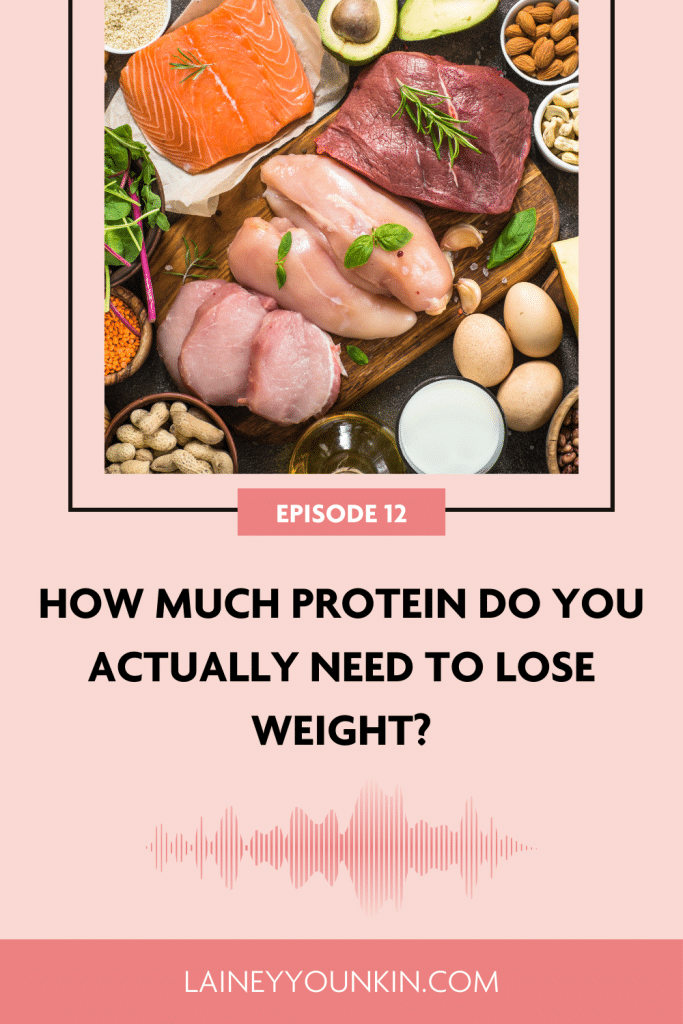
Animal-based: Chicken, turkey, lean beef, pork, fish, salmon, canned tuna, eggs, egg whites, Greek yogurt, cottage cheese.
Plant-based: Tofu, tempeh, edamame, beans, lentils, chickpeas, high-protein pasta (bean-based), quinoa, farro, barley, protein powders.
A note on plant-based proteins: while they’re absorbed less efficiently than animal proteins, many come with bonus fiber, antioxidants, and gut-health benefits. Don’t write them off — just aim for variety across both.
Quick Tips to Hit Your Protein Goals
- Start your day with protein. Aim for 20–30 grams at breakfast. Greek yogurt, a protein smoothie, cottage cheese, eggs — find what works for you. This one habit makes a big differene.
- Add protein to every meal and snack. Every time you eat, think: what’s my protein source here?
- Keep grab-and-go options stocked. Hard-boiled eggs, Greek yogurt drinks, rotisserie chicken, tuna packets, chicken sausage.
- Use protein bars and shakes as backup, not a foundation. They’re convenient, but aim for real food first as much as possible.
- Space it out. Don’t skip protein at breakfast and try to make up for it at dinner. Spreading intake evenly throughout the day works best.
If you need ideas, grab my FREE GUIDE: 30 Ways to Get 30 Grams of Protein — with 10 breakfast, 10 lunch, and 10 dinner ideas perfect for busy mom life.
The Bottom Line
Protein is hyped right now — and it’s genuinely worth the hype. More protein means more muscle, a faster metabolism, fewer cravings, better energy, and a much easier time maintaining your weight loss long-term.
Start with breakfast. Get your 20–30 grams in before the day gets away from you, and watch how much easier everything else becomes.
Looking for simple ways to get more protein in as a busy mom?


0 Comments