

Reviewed by: Lainey Younkin, MS, RD
Protein bars are one of the most convenient snacks. They travel well, require zero prep, and can help you bridge the gap between meals on a busy day. But not all protein bars are created equally. Some are nutritionally closer to a candy bar than a health food, while others genuinely support satiety and your overall nutrition goals. The key is knowing what to actually look for so you can skip the marketing claims on the front of the package and make a choice that actually supports your weight loss goals.
Keep reading to learn what to look for in a protein bar, along with the best protein bars for weight loss, according to dietitians.
What Makes a Protein Bar Good for Weight Loss?
Protein Content
Protein keeps you full, helps preserve muscle while you’re losing weight, and takes more energy to digest than carbs or fat.1,2 Look for a bar with at least 10 to 15 grams of protein, with 15 to 20 grams being ideal. The higher the protein content, the better the chance the bar will actually keep you full.
Calories
The best protein bar is one that fits within your overall calorie needs, but lower calorie isn’t always better. A bar that leaves you hungry an hour later isn’t doing you any favors. Look for something that actually keeps you satisfied, because a bar that holds you over longer is often more useful for weight loss than one that simply has fewer calories.
Consider your hunger level too when choosing a bar. Maybe you aren’t super hungry and just need something small to hold you over for a little while. In that case, a snack-size bar around 100-150 calories can work well. However, if you need something with staying power to hold you over several hours, a bar with more protein and fiber that’s around 150-250 calories may be better.
Fiber
Speaking of fiber, fiber helps promote fullness and can make a snack more satisfying.3 It also helps regulate how quickly sugar is absorbed into the bloodstream, supporting steadier energy levels and reducing the likelihood of a blood sugar spike and crash that can trigger cravings.3,4 Some protein bars don’t have any fiber, but if you can find one with at least 3 to 5 grams of fiber, it may contribute to fullness and help you hit your daily fiber goal.
Added Sugar and Alternative Sweeteners
Some protein bars are loaded with added sugar, which can spike blood sugar and leave you craving more. Check the added sugars line on the label specifically, not just total sugars, and aim for under 10 grams of added sugar per bar.
Many bars use alternative sweeteners like stevia, monk fruit, or sugar alcohols instead. These sweeten bars without adding sugar. Most people tolerate these well, but sugar alcohols can cause digestive discomfort in some, so pay attention to how your body responds. Some bars also contain non-nutritive sweeteners like sucralose or acesulfame potassium. These are calorie-free and generally recognized as safe, but some people prefer to avoid them or notice they affect their cravings or taste preferences.
Ingredients
Some people prefer bars made with whole food ingredients like nuts, seeds, oats, and fruit. Others prioritize a higher protein target and opt for bars with whey or plant-based protein isolates, even if the ingredient list is more processed. Both can be good options, and the choice often comes down to personal preference. The best bar is the one that fits your goals and that you’ll actually want to eat.
The Best Protein Bars for Weight Loss:
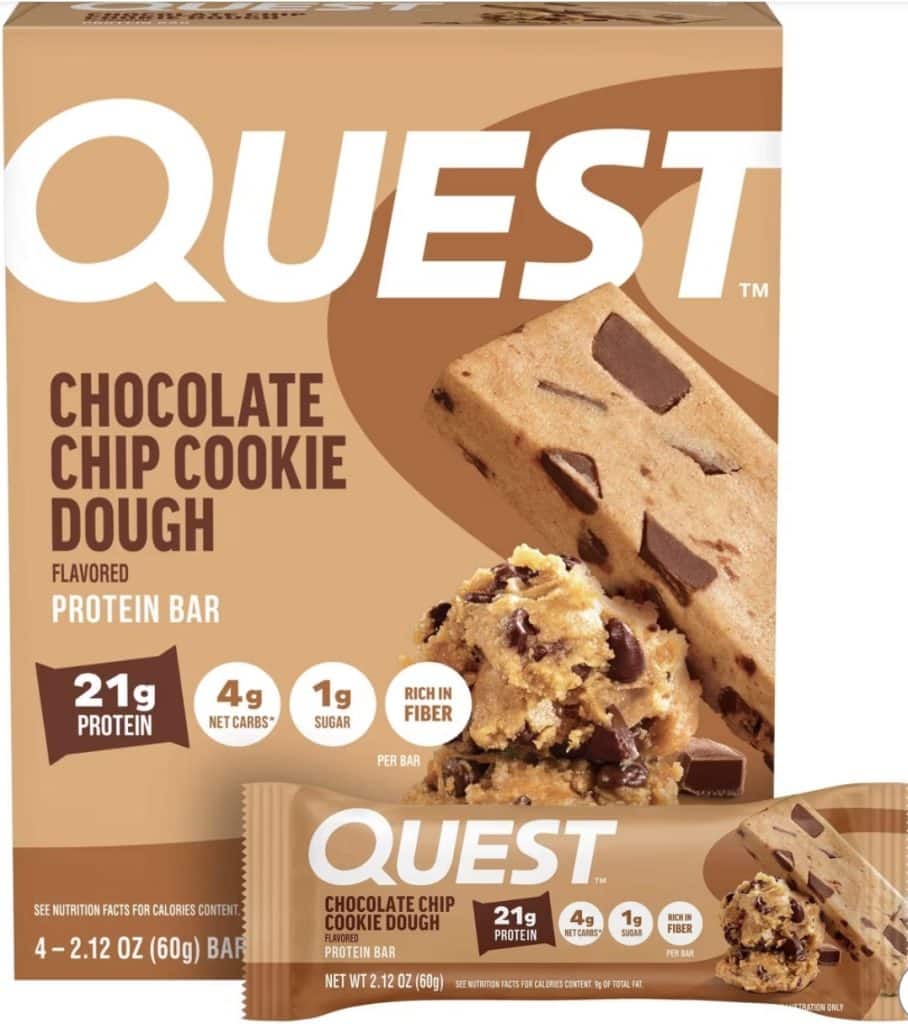
1. Quest Bars
Source: Amazon.com
What Makes It Stand Out: Delivers a high amount of protein and fiber while keeping sugar extremely low, making it one of the most filling options on the market.
- Calories: 190
- Protein: 21g
- Fiber: 11g
- Total Sugar: 1g
- Added Sugar: 0g
- Sugar Alcohols: 6g (erythritol)
- Non-nutritive sweeteners: sucralose, stevia
Best For: Someone looking to maximize protein and fullness while minimizing sugar. Many fans also recommend microwaving the bar for 10 to 15 seconds, which can significantly improve the texture.
Cons: Contains sugar alcohols and sucralose, which can cause digestive discomfort in some people. Some find the artificial sweetener flavor builds with each bite and becomes overpowering by the end of the bar.
2. Barebells

Source: Barebells.com
What Makes It Stand Out: Offers a candy bar-like taste and texture while still providing 20 grams of protein.
- Calories: 200
- Protein: 20g
- Fiber: 3g
- Total Sugar: 1g
- Added Sugar: 0g
- Sugar Alcohols: 6g (maltitol)
- Non-nutritive sweeteners: sucralose, acesulfame potassium in some flavors
Best For: Someone who wants a high-protein option that genuinely feels like a treat. Salty Peanut and Caramel Cashew are fan favorites.
Cons: Contains maltitol, which is more likely than some other sugar alcohols to cause digestive discomfort. Some flavors also contain acesulfame potassium, which some people prefer to avoid.
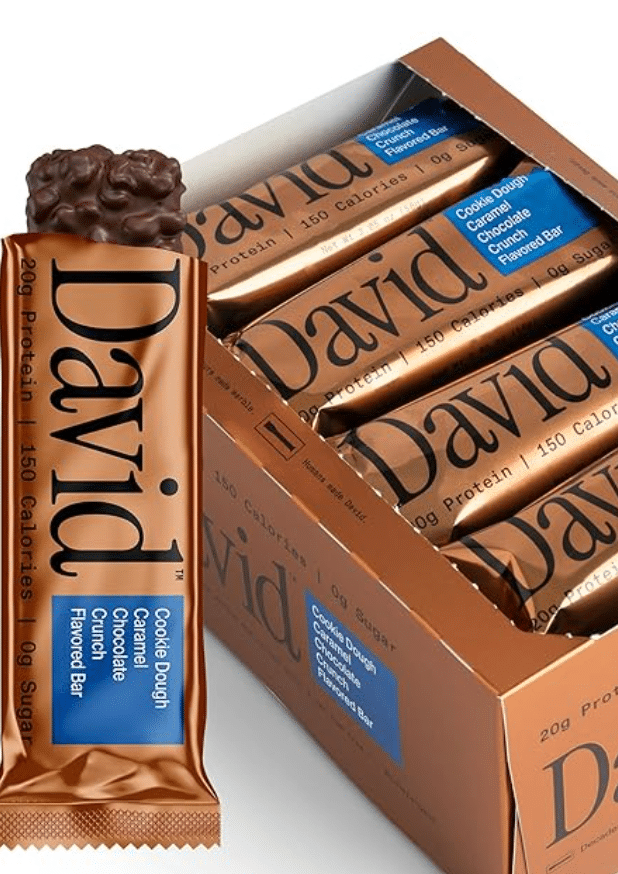
3. David Protein Bar
Source: Amazon.com
What Makes It Stand Out: Packs 20 grams of protein into just 150 calories, giving it one of the highest protein-to-calorie ratios on this list.
- Calories: 150
- Protein: 20g
- Fiber: 6g
- Total Sugar: 0g
- Added Sugar: 0g
- Sugar Alcohols: 11g (maltitol)
- Non-nutritive sweeteners: sucralose, acesulfame potassium
Best For: Someone who wants maximum protein at a lower calorie count.
Cons: At around $4 per bar, David is one of the pricier options on this list, and taste reviews are mixed — some find it surprisingly good, while others feel the flavor doesn’t justify the cost. It also contains a high amount of maltitol, which may cause bloating and digestive discomfort in some individuals, plus sucralose and acesulfame potassium.
4. ONE bar

Source: One1brands.com
What Makes It Stand Out: A solid high-protein, low-sugar option that is widely available and comes in one of the largest flavor varieties of any bar on this list.
- Calories: 220
- Protein: 20g
- Fiber: 4g
- Total Sugar: 1g
- Added Sugar: 0g
- Sugar Alcohols: 7g (maltitol)
- Non-nutritive sweeteners: sucralose
Best For: Someone who wants variety in flavors without sacrificing protein or adding sugar.
Cons: Contains maltitol and sucralose, which can cause digestive discomfort in some people.
5. RX Protein Bar

Source: Rxbar.com
What Makes It Stand Out: Made with a short, recognizable ingredient list of dates, egg whites, and nuts, with no artificial sweeteners or sugar alcohols.
- Calories: 210
- Protein: 12g
- Fiber: 5g
- Total Sugar: 13g
- Added Sugar: none
- Sugar Alcohols: none
- Non-nutritive sweeteners: none
Best For: Someone who prioritizes whole food ingredients and minimal processing. Chocolate Sea Salt is the most consistently praised flavor.
Cons: Lower in protein than most other bars on this list, and higher in total sugar due to dates, though all sugar is naturally occurring. The texture is dense and sticky, which some people love and others find off-putting.
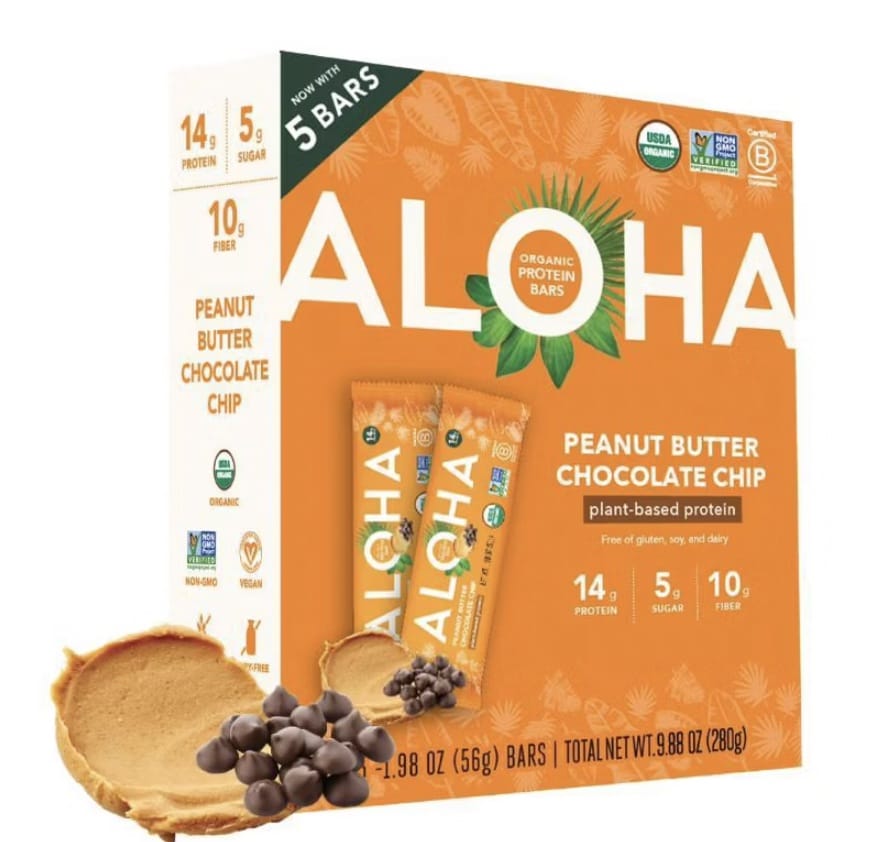
6. ALOHA
Source: Amazon.com
What Makes It Stand Out: A plant-based bar with 14 grams of protein, 10 grams of fiber, and a more natural ingredient list sweetened with monk fruit rather than artificial sweeteners.
- Calories: 240
- Protein: 14g
- Fiber: 10g
- Total Sugar: 5g
- Added Sugar: 3g
- Sugar Alcohols: none
- Non-nutritive sweeteners: monkfruit
Best For: Someone looking for a vegan option with higher fiber and more whole food ingredients. Peanut Butter Chocolate Chip is the most well-reviewed flavor.
Cons: Higher in calories than most bars on this list and lower in protein than the top picks. Some flavors have a slightly off aftertaste, so trying a single bar before committing to a box is a good idea.
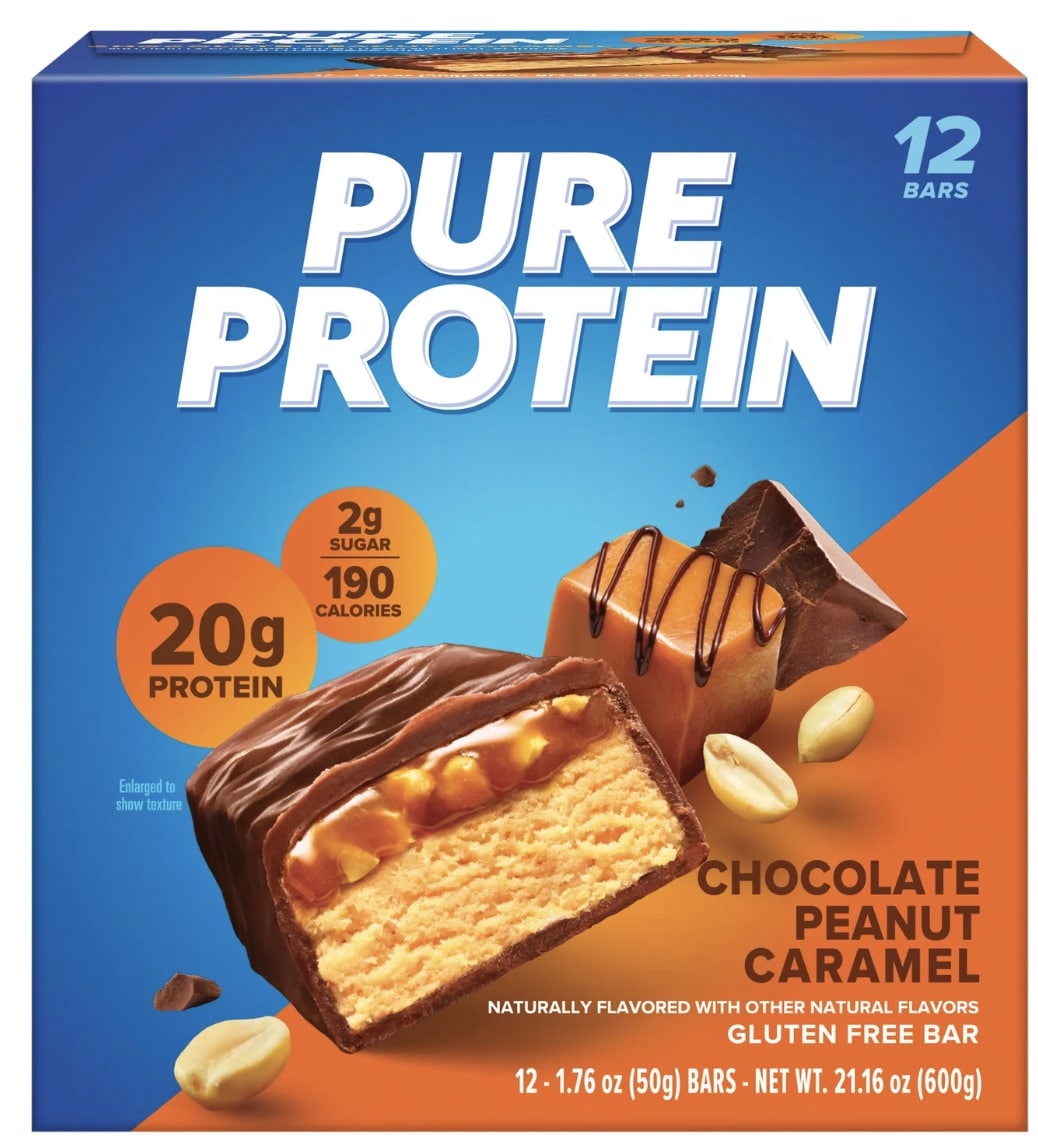
7. Pure Protein Bar
Source: Amazon.com
What Makes It Stand Out: Provides 20 grams of protein for around 200 calories, making it a budget-friendly and widely available option for increasing protein intake.
- Calories: 200
- Protein: 20g
- Fiber: 1g
- Total Sugar: 2g
- Added Sugar: 1g
- Sugar Alcohols: 6g (maltitol)
- Non-nutritive sweeteners: sucralose
Best For: Someone looking for a budget-friendly, high-protein option who tolerates sugar alcohols and artificial sweeteners well.
Cons: Low in fiber and contains maltitol and sucralose, which can cause digestive discomfort in some people.
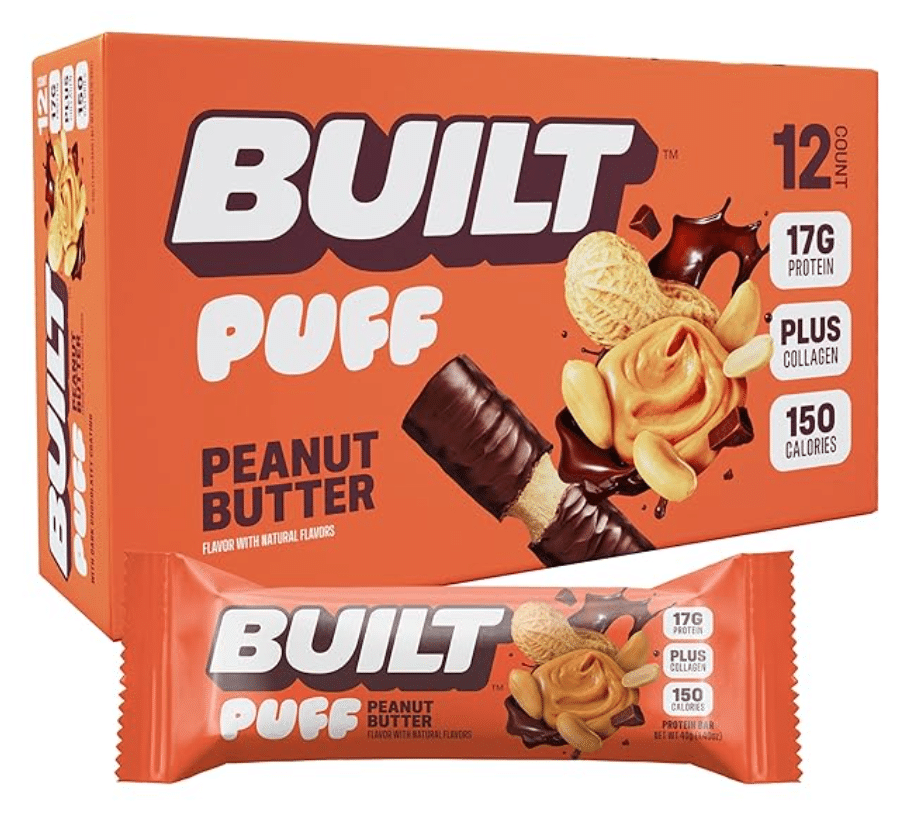
8. Built Puff Bar
Source: Amazon.com
What Makes It Stand Out: A lighter, lower-calorie option with an airy texture that works well as a snack.
- Calories: 140
- Protein: 17g
- Fiber: <1g
- Total Sugar: 6g
- Added Sugar: 6g
- Sugar Alcohols: none
- Non-nutritive sweeteners: none
Best For: Someone who wants a lighter snack with a unique texture and no sugar alcohols or artificial sweeteners. Brownie Batter is the standout flavor according to most reviewers.
Cons: The primary protein source is collagen, meaning it does not contain all essential amino acids. This isn’t a problem if you’re eating a variety of other foods that contain protein. Also, this bar is higher in added sugar and very low in fiber compared to other bars on this list. Texture is divisive, with some fans loving the soft, fluffy chew while others find it too dense or gummy.
Note: Nutrition facts listed above reflect one flavor per bar and can vary across the product line. Always check the nutrition facts panel on the specific flavor you are buying.
More Bars Worth Trying
These bars didn’t make our main list but are frequently recommended by dietitians and worth considering:
- Kind Protein Max: A less processed option built on a whole-food, nut-based ingredient list with 20 grams of protein and 240 calories.
- Kirkland Signature Protein Bar: One of the best nutrition-to-price ratios out there, with 21 grams of protein, 10 grams of fiber, and 190 calories.
- Think! High Protein: Provides 20 grams of protein with just 1 gram of sugar for 230 calories and is free of non-nutritive sweeteners in the standard line.
The best protein bar for weight loss isn’t necessarily the one with the highest protein or the lowest calorie count. It’s the one that fits your goals, satisfies you, and that you’ll actually want to eat consistently. No single bar is perfect for everyone. Focus on the label, not the marketing, and don’t be afraid to try a few before committing to one you love.
References:
- Moon J, Koh G. Clinical evidence and mechanisms of high-protein diet-induced weight loss. J Obes Metab Syndr. 2020;29(3):166-173. doi:10.7570/jomes20028
- Kim JE, O’Connor LE, Sands LP, Slebodnik MB, Campbell WW. Effects of dietary protein intake on body composition changes after weight loss in older adults: A systematic review and meta-analysis. Nutr Rev. 2016;74(3):210-224. doi:10.1093/nutrit/nuv065
- Waddell IS, Orfila C. Dietary fiber in the prevention of obesity and obesity-related chronic diseases: From epidemiological evidence to potential molecular mechanisms. Crit Rev Food Sci Nutr. 2023;63(27):8752-8767. doi:10.1080/10408398.2022.2061909
- Wyatt P, Berry SE, Finlayson G, et al. Postprandial glycaemic dips predict appetite and energy intake in healthy individuals. Nat Metab. 2021;3:523-529. doi:10.1038/s42255-021-00383-x



0 Comments